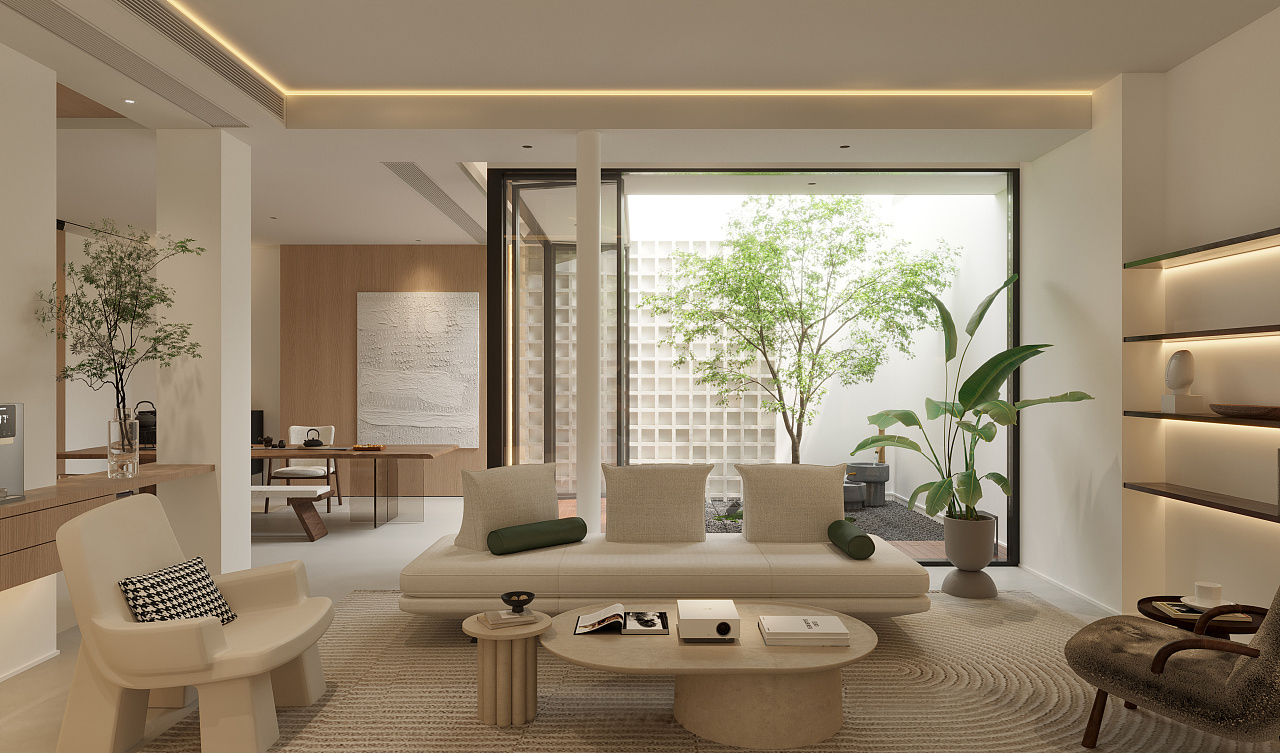
Interior decoration is more than arranging furniture or selecting colors for a room; it is the art of by using a place that demonstrates personality, enhances comfort, and improves daily life. A well-decorated interior creates harmony between appearance and functionality, allowing individuals to feel relaxed, inspired, and linked to their surroundings 室內設計. In modern life, where homes and workplaces serve multiple purposes, interior decoration has become an essential element of design rather than a luxury.
At its core, interior decoration focuses on improving the overall look of an existing space without changing its structural elements. Unlike design, which might involve industrial changes, interior decoration works together with textures, furniture, lighting, accessories, and color schemes to transform how a room looks and feels. The goal is to create balance while ensuring that every item contributes to the overall atmosphere.
One of the most important facets of interior decoration is color selection. Colors influence emotions and awareness in powerful ways. Soft natural tones can create calm and large environments, while bold shades add character and energy. Warm colors such as beige, terracotta, or soft gold often make spaces feel welcoming, whereas cool tones like blue and green promote relaxation and focus. Choosing the right colour pallette depends on the intention of the room and the personality of the people who use it.
Lighting also plays an important role in successful interior decoration. Natural light enhances openness and highlights textures, while artificial lighting shapes mood during evening hours. Layered lighting, which combines background, task, and accent lighting, allows flexibility and visual interest. A simple change in lights can dramatically alter the perception of a room, making it appear larger, warmer, or more sophisticated.
Furniture selection is another defining element of interior decoration. Furniture should not only match the aesthetic theme but also support comfort and usefulness. Oversized furniture can overwhelm a small space, while minimal pieces could make large rooms feel empty. The key is proportion and placement. Arranging furniture to encourage conversation, movement, and accessibility ensures that decoration serves daily life rather than becoming purely decorative.
Textures and materials add depth to interior decoration. Combining materials such as wood, metal, fabric, glass, and stone creates visual contrast and interest. A soft brown area rug matched with a smooth marbled surface or linen draperies against painted walls features layers that produce a location feel dynamic. Texture often determines whether an area feels cozy, luxurious, or modern, even when the color scheme remains simple.
Personalization is what truly differentiates interior decoration from universal design. Artwork, pictures, handmade crafts, and meaningful objects give rooms identity and emotional value. Instead of following trends blindly, effective decoration integrates personal stories and cultural influences. A carefully chosen piece of art or a family antique can become the centerpiece that ties the entire room together.
Modern interior decoration increasingly highlights sustainability. People are becoming more conscious of environmental impact and choosing eco-friendly materials, recycled furniture, and energy-efficient lighting. Natural elements such as indoor plants, bamboo bedding and sheets furniture, and organic fabrics not only reduce environmental harm but also improve air quality and emotional well-being. Sustainable decoration demonstrates that beauty and responsibility can coexist.
Space optimization in addition has be a major concern, especially in urban homes where space is bound. Smart storage solutions, multifunctional furniture, and minimalistic templates help maximize usability without sacrificing style. Sailing shelves, collapsible tables, and hidden storage chambers allow rooms to stay clean while maintaining functionality. Interior decoration today often focuses on simplicity and deliberate design rather than excessive ornamentation.
Cultural influences play a significant role in by using interior decoration styles around the world. Traditional patterns, local craftsmanship, and regional materials bring authenticity to rooms. Whether inspired by classic elegance, modern minimalism, rustic charm, or contemporary luxury, decoration styles often reflect history and social values. Mixing cultural elements considerately can create unique rooms that feel both global and personal.
Technology in addition has transformed interior decoration practices. Digital tools allow homeowners to see templates, research colors, and plan furniture arrangements before making physical changes. Smart home features such as automated lighting, climate control, and integrated sound systems are now part of decorative planning. Technology combinations convenience with appearance, creating environments that adjust to modern lifestyles.
Another essential principle of interior decoration is balance. A successful space maintains harmony between shapes, colors, and objects. Proportion creates custom and order, while asymmetry adds creativity and movement. Too many decorative elements can cause visual chaos, while too little may feel partial. Achieving balance requires innovative editing and awareness of detail.
In season updates are a practical way to refresh interior decoration without major expense. Changing soft cushions, draperies, or decorative accessories can instantly transform a room’s mood. Light fabrics and bright colors suit warmer months, while richer textures and deeper tones create warmth during frigid months. These small adjustments keep rooms feeling fresh and engaging all through the year.
Psychological comfort is another selling point of innovative interior decoration. A well-organized and successfully pleasing environment can reduce stress, improve productivity, and enhance emotional health. Spaces made with purpose encourage relaxation and creativity, making homes more than just physical pet shelters. They become supportive environments that influence daily experiences in subtle yet meaningful ways.
The future of interior decoration continues to change as lifestyles change. Flexibility, sustainability, and personalization are becoming central themes. People increasingly seek spaces that adjust to remote work, social gatherings, and personal relaxation within the same environment. This shift encourages creative solutions that combine beauty with flexibility.